Configuration confirmation
Confirm material, pressure rating, connections and operating conditions for the selected product.
About Fuhai
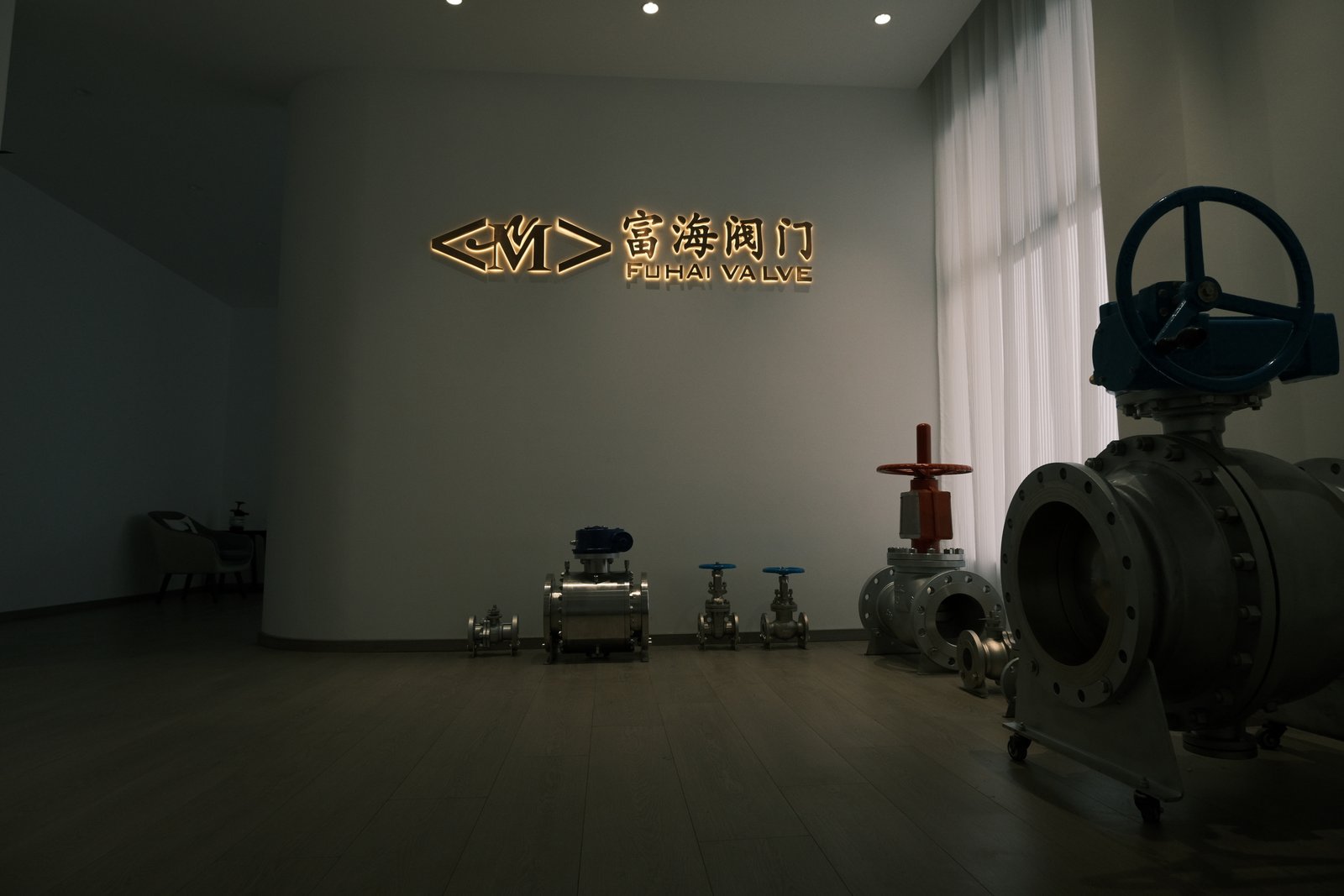
Fuhai Valve was founded 30 years ago. The company is located in Longwan, Wenzhou, Zhejiang, China, and occupies a site of 4,000 m². Its products have been exported to multiple countries.
Our product range includes gate, ball, globe, check and butterfly valves, Y strainers, and sanitary valves and fittings for industrial piping and related applications.
Fuhai Valves also accepts custom valve designs to meet customers’ specific requirements.
We clarify product specifications and configurations based on the medium, operating temperature and pressure, materials and end connections. Project lists and technical drawings help define selection requirements and purchasing quotations.
Discuss Selection and Quotation →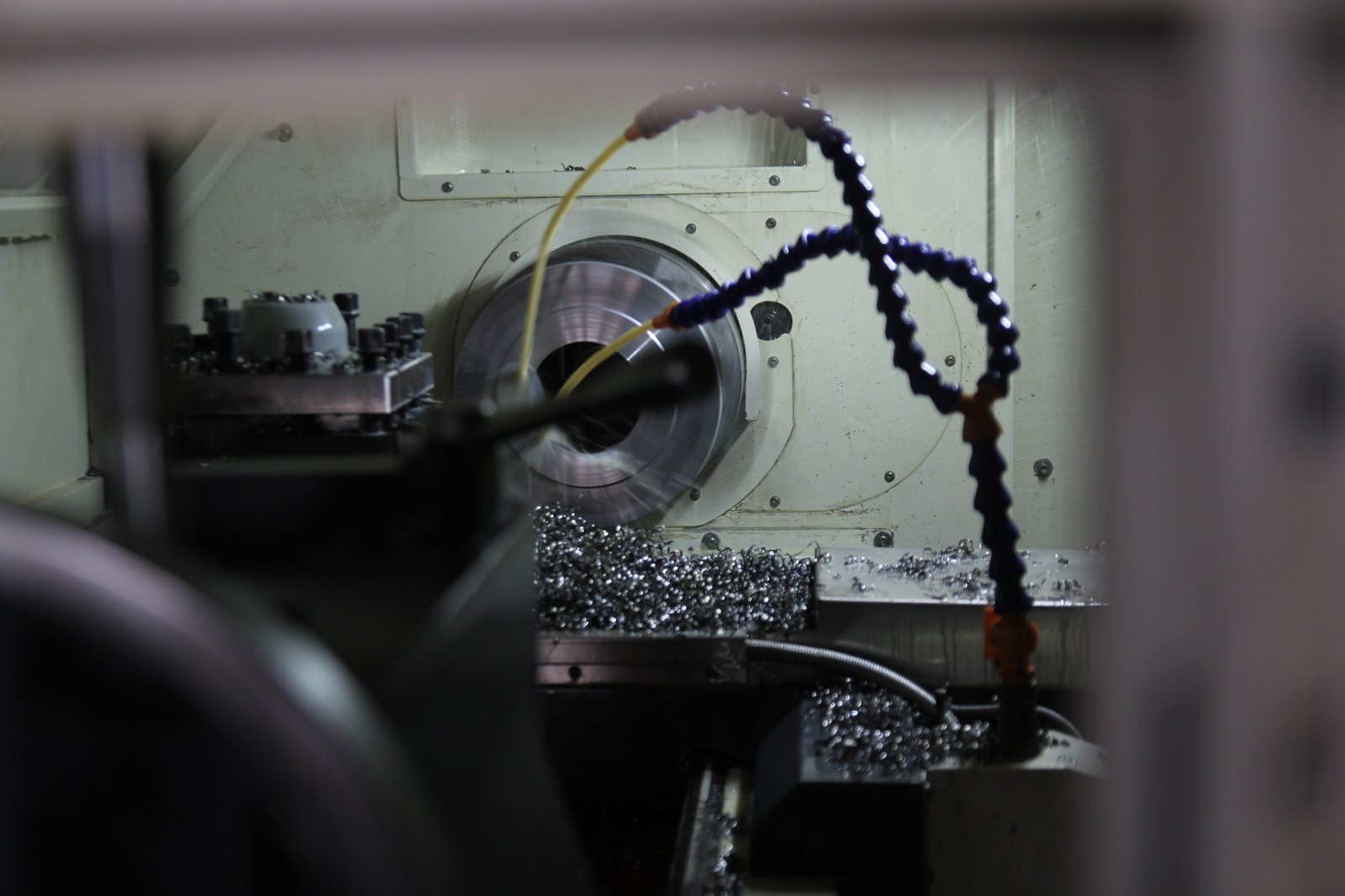
Confirm material, pressure rating, connections and operating conditions for the selected product.
Tell us the inspection and testing requirements your project needs so the quotation can address them explicitly.
Discuss required drawings, product documents, packaging and delivery terms before placing an order.
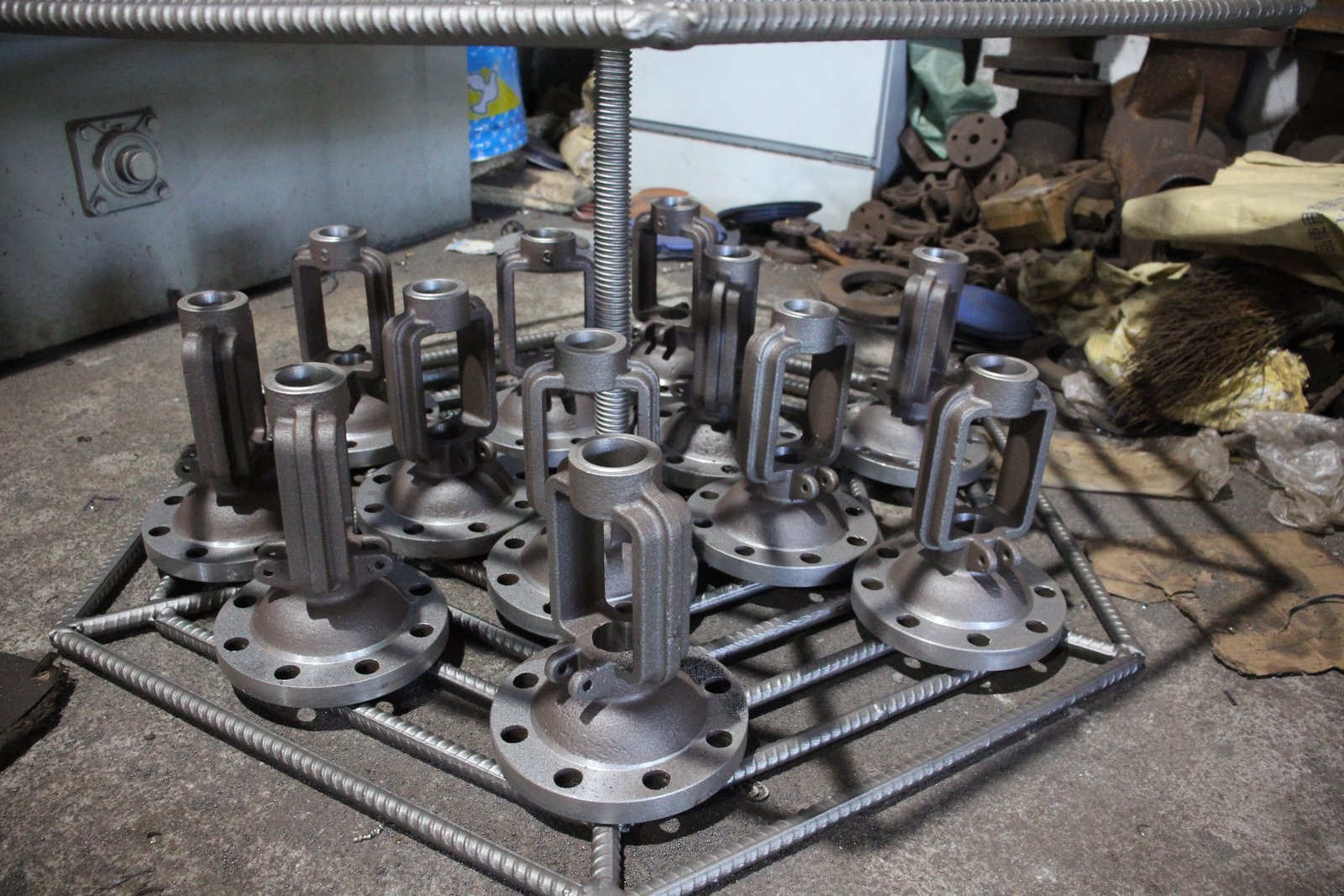
For example, the processing of a valve body may include shot blasting to remove surface particles and rust spots; preliminary flange machining with an allowance for finishing; a second round of shot blasting; and final flange machining to the specified dimensions. The actual process and requirements depend on the order.
All Product Families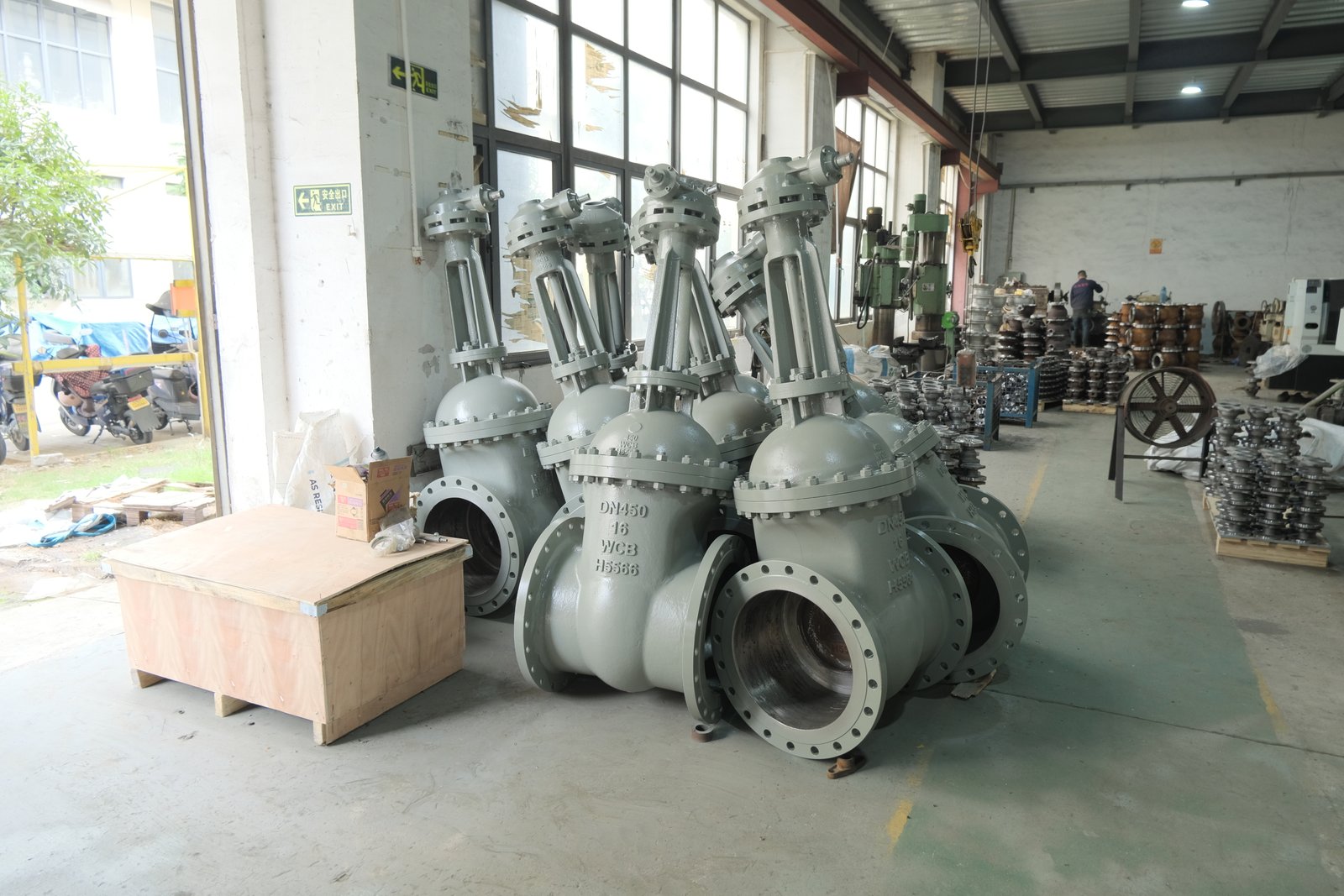
The image shows finished valves that have completed production and are awaiting shipment. Packaging and dispatch are arranged according to the order requirements.
Discuss Selection and Quotation →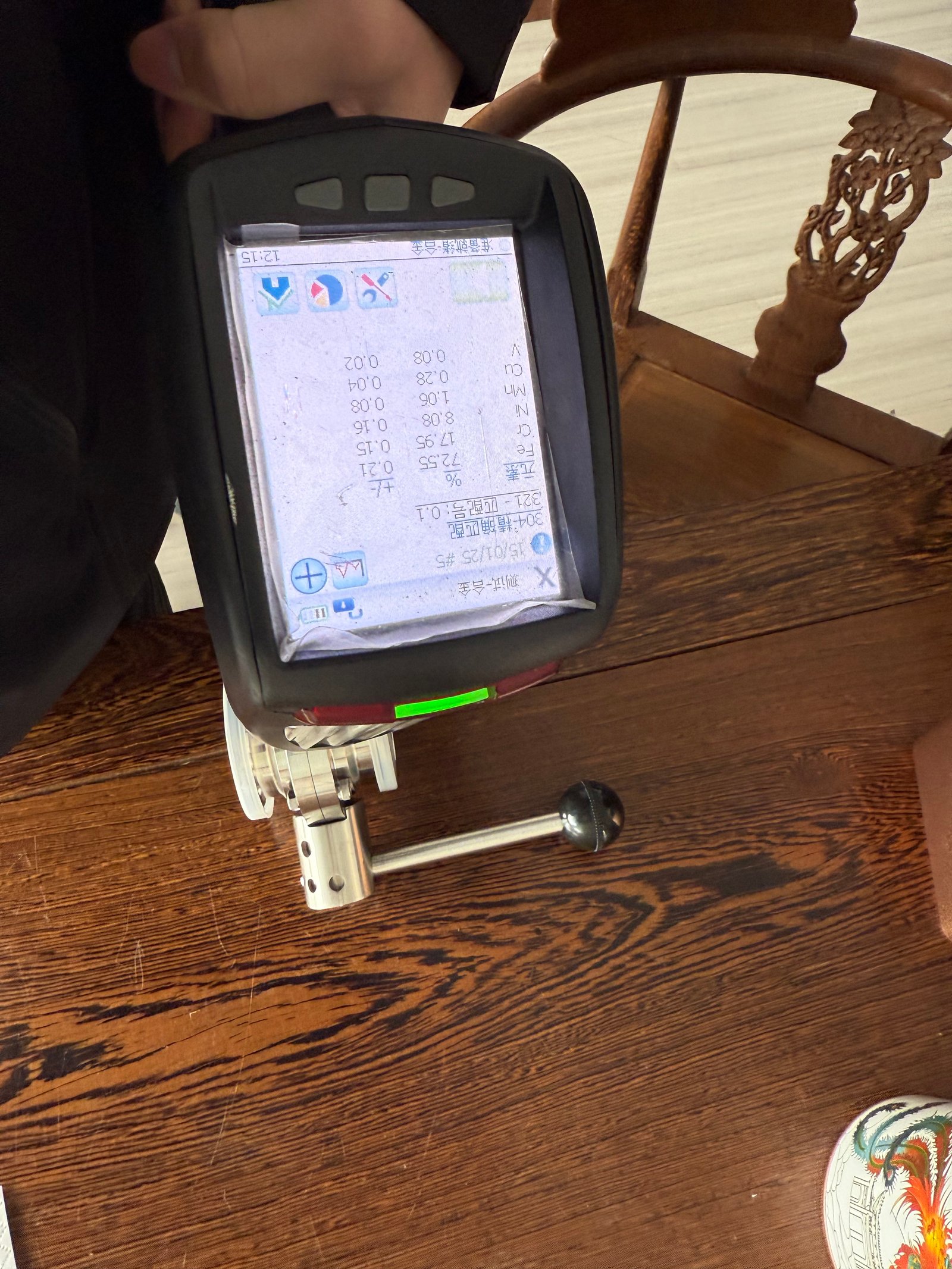
Fuhai Valve performs spectrometric spot checks on stainless steel and high-alloy valves to verify the content of key alloying elements and the material grade, providing a basis for material conformity checks.
For equipment integration, distribution and engineering applications, discuss product selection and supply requirements for each project.
Fuhai Valve offers OEM services and already works with some OEM customers. Contact us to discuss your product supply requirements.
Fuhai Valve currently has no overseas agents or distributors. We invite prospective partners to contact us and work together to develop their local markets.
Discuss valve selection, documentation and project delivery requirements against the medium, temperature, pressure and piping connections.
Clarify standards, pressure ratings, materials and service conditions before comparing valve proposals.
No. ANSI coordinates and accredits the American National Standards system; it does not itself develop valve standards. Specify the applicable standard numbers and editions. ASME B16.34 addresses valve pressure–temperature ratings and other requirements, while ASME B16.5 covers pipe flanges and flanged fittings. Define end connections, materials and inspection requirements separately.
Class and PN are rating designations, not direct statements of operating pressure. Class 150 does not mean that 150 psi is allowable at every temperature. Check the pressure–temperature rating for the applicable standard, material and design temperature, and confirm the limits of the seats and seals. A conversion table alone cannot establish interchangeability between Class-rated and PN-rated components.
WCB is a carbon steel casting grade; CF8 and CF8M are different austenitic stainless steel casting grades. State the material specification and grade instead of using ‘carbon steel’ or ‘stainless steel’ alone. Selection depends on fluid composition, concentration, temperature and corrosion conditions, together with compatible trim and sealing materials. Neither the stainless steel label nor the CF8M grade alone establishes suitability for a particular fluid.
The design name or nominal size alone is insufficient for selection. Specify the fluid, temperature, operating pressure and maximum differential pressure, then confirm seat sealing directions, cavity pressure relief and operating torque.
Provide the valve function, type, quantity, nominal size, connection standard and dimensions. State fluid composition, design and operating pressures, temperature range and maximum differential pressure during operation, plus material, sealing, actuation and inspection requirements. Identify hydrogen sulfide, solids or other special conditions. Include available datasheets, piping specifications and project standards. Mark unknown parameters for confirmation instead of filling them with assumptions.
No. They are separate publications. API 6D specifies requirements for valves, including design, manufacturing, materials, testing, marking and documentation. API 608 is a product standard for metal ball valves with flanged, threaded and welding ends. API 607 addresses fire type-testing of valves under pressure during and after the specified fire test. API 607 and API 608 are not chapters of API 6D, and their designations are not interchangeable. In an RFQ, identify the applicable product standard and edition, and state any fire-test requirement separately. Confirm that supporting documentation covers the proposed valve configuration; mentioning a standard does not establish certification or conformity of a pictured sample.
A WOG marking on a photographed sample does not by itself establish an ASME Class or PN designation. Specify the required rating and verify the applicable pressure-temperature limits, body material, end connections, seats, seals and service conditions against the proposed valve's confirmed datasheet. Keep the pictured marking as a sample reference rather than assuming a Class or PN conversion, a complete size range or suitability for every medium and temperature. Include the required PN or Class, design pressure and temperature in the RFQ, and mark unknown values for confirmation.
This guide provides general selection information. Final selection and acceptance depend on the applicable standard editions, project requirements and confirmed datasheet. The older API purchasing handbook cited here is a reference for procurement inputs, not a statement of the latest requirements.